Advancing investigational programs for neurological recovery and neurodegenerative conditions through biophoton-based technology designed to support mitochondrial function and promote healthy stem cell activity.
BrainHealing Inc. is a dedicated clinical development platform advancing investigational approaches for chronic stroke, traumatic brain injury, Parkinson’s disease, and Alzheimer’s disease—addressing some of the most pressing unmet needs in neurology.
Platform TECHNOLOGIES
PLATFORM TECHNOLOGY 1
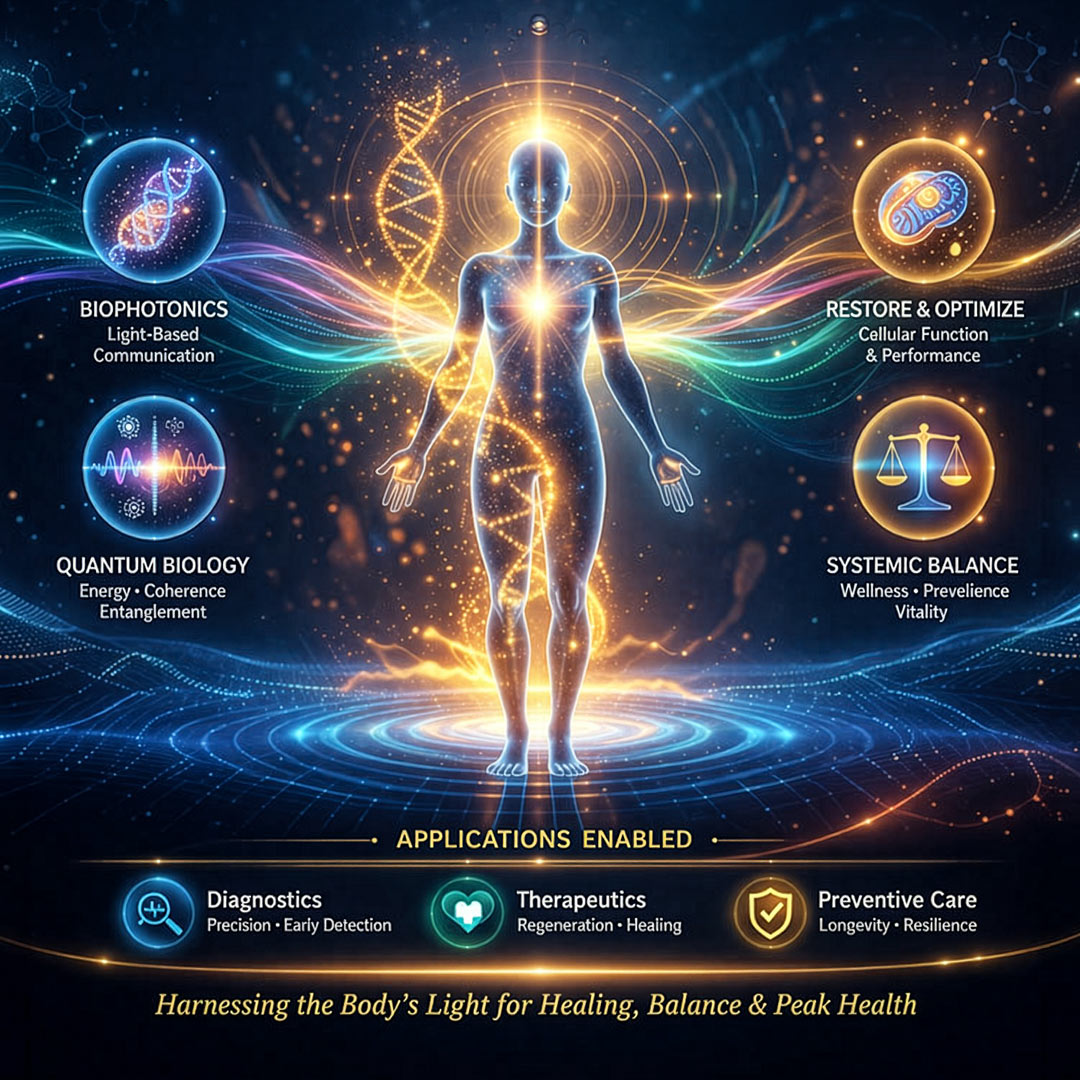
Biophoton Quantum Medicine (BQM)
Biophoton Quantum Medicine (BQM) is an emerging scientific and clinical platform that combines principles of biophotonics and quantum biology to leverage the body’s intrinsic light-based signaling and energy systems. By modulating these endogenous photonic interactions, BQM aims to support the restoration of cellular function, optimize biological performance, and promote systemic balance. This platform enables the development of innovative approaches across diagnostics, therapeutic interventions, and preventive health applications.
Platform Technology 2
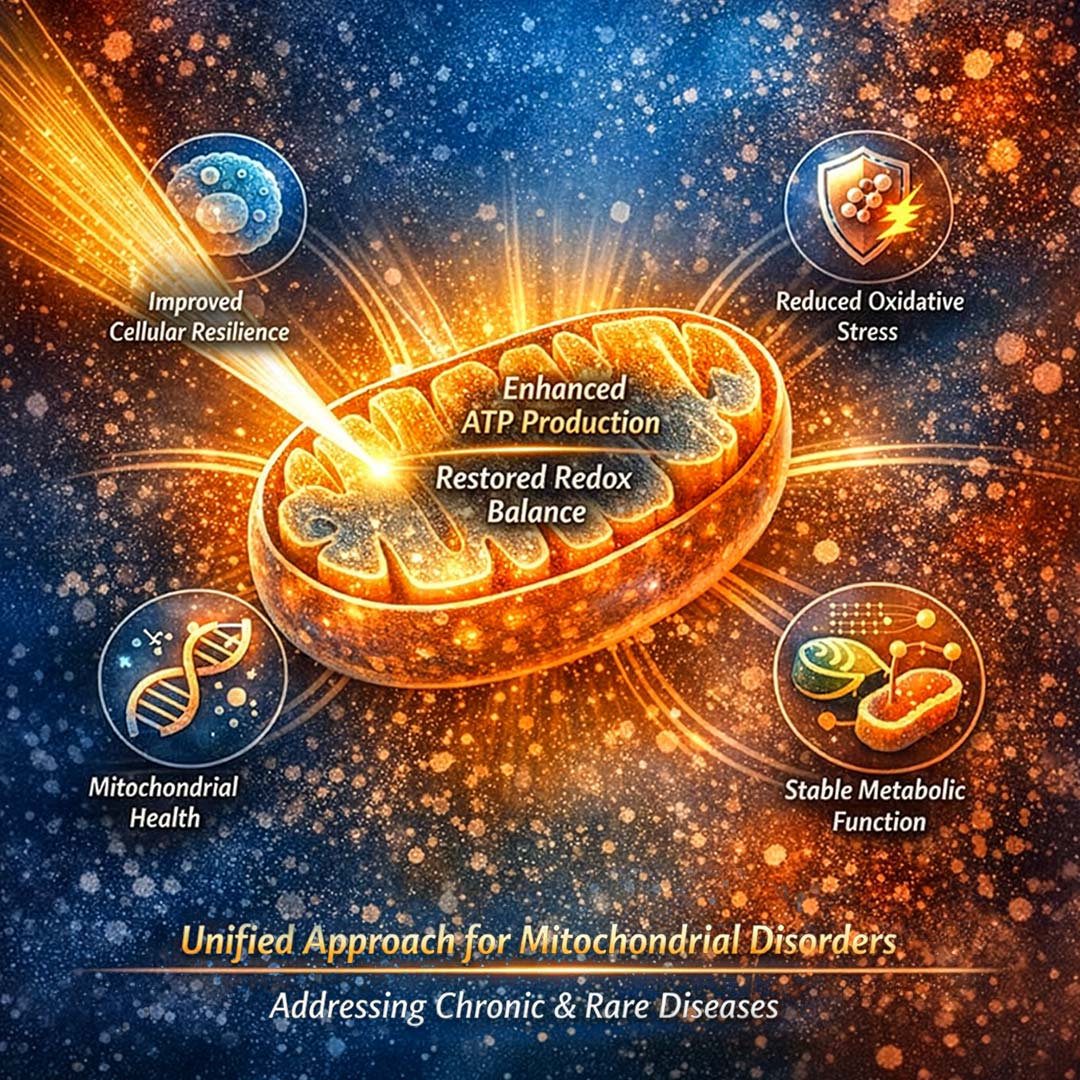
Normalizing Mitochondrial Activity
The BrainHealing® platform technology is designed to normalize mitochondrial function as a foundational approach to addressing a wide range of mitochondrial disorders. By delivering targeted biophoton energy, the system is intended to support mitochondrial bioenergetics, enhance ATP production, and restore cellular redox balance. This normalization of mitochondrial activity may help improve cellular resilience, reduce oxidative stress, and promote more stable metabolic function across tissues. Because mitochondrial dysfunction is a common underlying factor in numerous chronic and rare diseases, the BrainHealing® platform offers a unifying, mechanism-based strategy with the potential to broadly support patients affected by diverse mitochondrial disorders.
Platform Technology 3
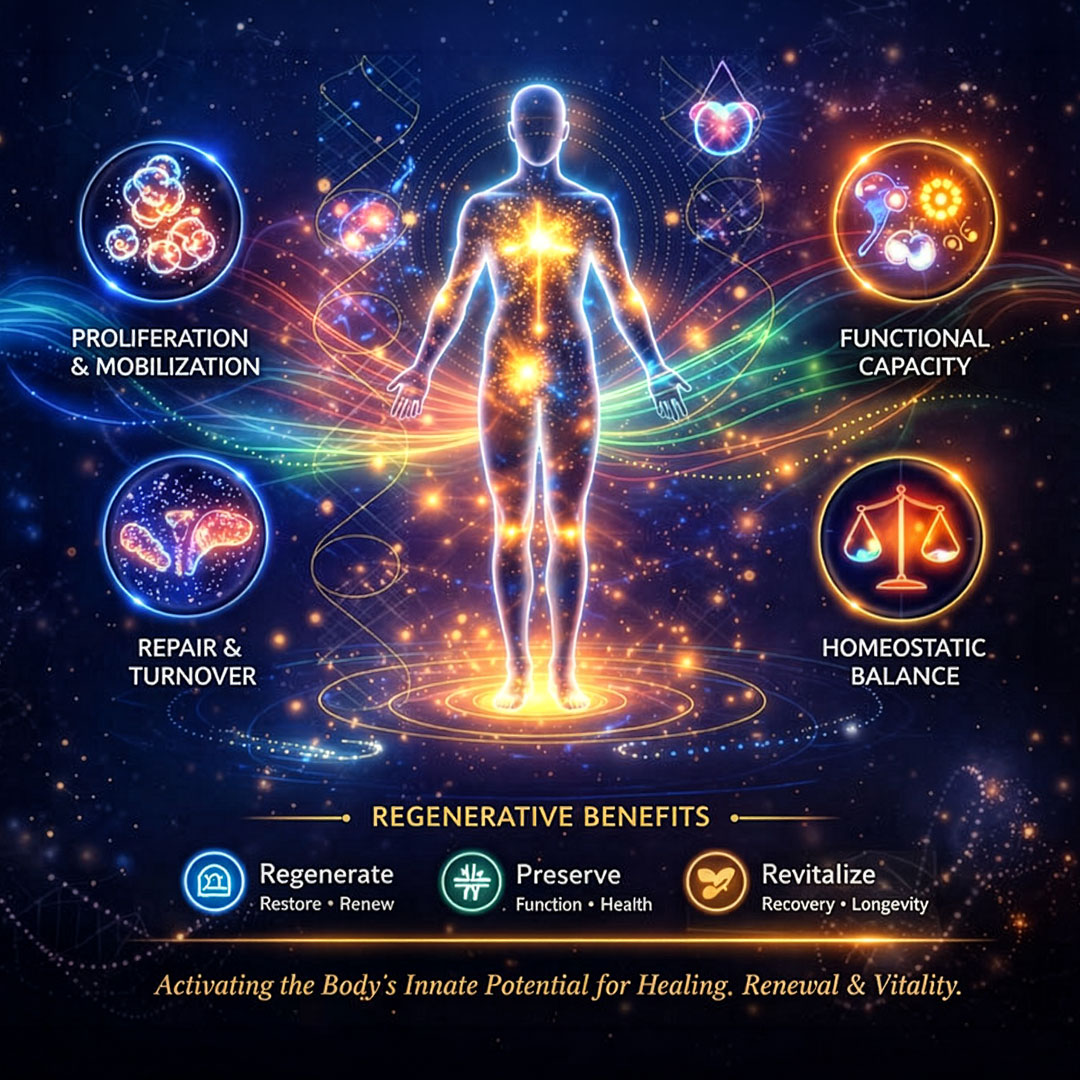
Increasing Endogenous Stem Cells
The BrainHealing® platform technology is designed to enhance endogenous stem cell activity as a regenerative approach to addressing a wide range of cellular disorders. By delivering targeted biophoton energy, the system is intended to stimulate the mobilization, proliferation, and functional capacity of the body’s own stem cells. This process may support tissue repair, improve cellular turnover, and restore homeostatic balance across multiple organ systems. Because impaired regeneration is a common feature of many chronic and degenerative conditions, the BrainHealing® platform offers a mechanism-based strategy to promote intrinsic healing processes and broadly support recovery in patients affected by diverse cellular disorders.
Platform Technology 4
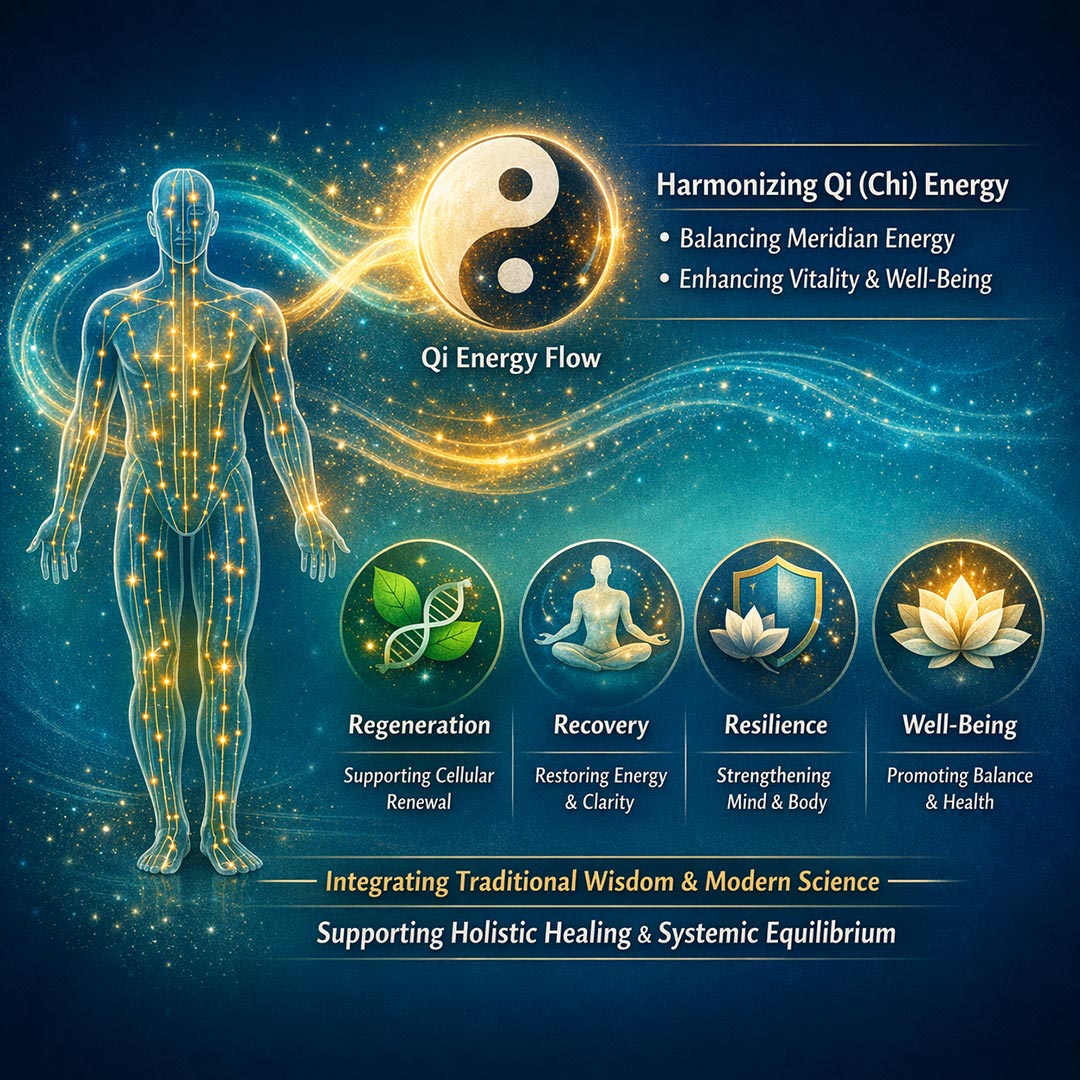
Increasing and Balancing Meridians
The BrainHealing® platform technology is designed to support the enhancement and balance of meridian energy (Qi, or Chi), aligning with principles rooted in Traditional Chinese Medicine. By promoting the harmonious flow of Qi throughout the body, this approach aims to support systemic equilibrium and the body’s natural restorative processes. Integrating both traditional concepts and modern perspectives, the platform seeks to broadly support recovery, resilience, and overall well-being across a range of physiological conditions.
Platform Technology 5
Biophotons and Gene Stabilization
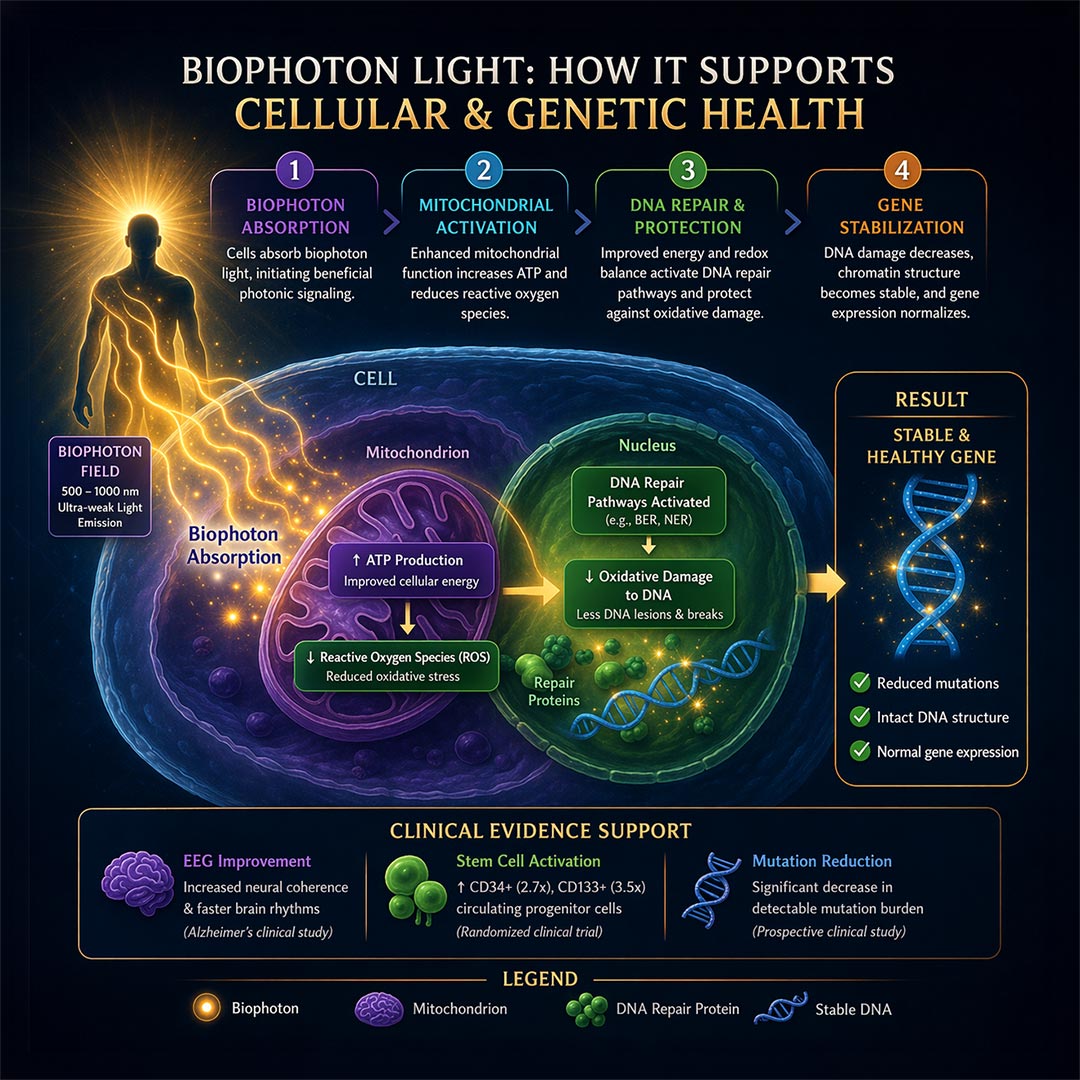
At the foundation of life lies a delicate balance of energy, communication, and genetic integrity. Biophoton technology introduces a new paradigm—one in which light itself supports the stability of our genes. By enhancing mitochondrial energy, reducing oxidative stress, and activating the body’s innate repair systems, biophotons may help protect DNA from damage and promote regeneration at the cellular level. This approach does not rewrite genetic code—it restores the conditions under which healthy genetic function naturally emerges. In doing so, it opens a pathway toward resilience, longevity, and a deeper understanding of how light governs life.
Read MoreBiophoton-based technology represents a non-invasive approach to supporting genomic stability by improving the cellular environment in which DNA functions. Rather than directly editing genes, biophotons appear to modulate mitochondrial activity, redox balance, and cellular repair pathways—three key regulators of DNA integrity against cancer. Clinical observations have shown a substantial reduction in detectable mutation burden after biophoton exposure, alongside systemic recovery and improved physiological function, supporting the possibility that this platform helps reduce ongoing genetic damage of cancer and enhance genomic maintenance.
This stabilizing effect is further supported by regenerative evidence.
In a randomized, double-blinded, placebo-controlled clinical trial, biophoton exposure produced robust increases in circulating endogenous stem and progenitor cells, including a 2.7-fold rise in CD34⁺ cells, a 3.5-fold rise in CD133⁺ cells, and a 3.1-fold rise in CD34⁺CD133⁺ cells, with parallel improvements in pain-related function and quality of life.
These findings suggest that biophotons may not only protect genomic stability but also activate the body’s intrinsic repair and regeneration systems.
Additional neurophysiological evidence strengthens this platform concept. In Alzheimer’s disease studies, biophoton therapy was associated with improved quantitative EEG biomarkers, including increased posterior peak frequencies, reduced theta/beta ratios, improved neural coherence, shorter ERP latencies, and reductions in EEG-derived functional brain age over short treatment intervals. Together, these genomic, regenerative, and electrophysiological findings position biophoton technology as a scalable platform for promoting gene stabilization, restoring cellular resilience, and supporting recovery in chronic degenerative conditions.
Finding Solutions for Unmet
Medical Conditions
Millions of patients worldwide live with long term neurological impairment resulting from stroke, traumatic brain injury, neurodegenerative diseases, and numerous rare diseases. Despite major advances in modern medicine, many patients with chronic neurological conditions have limited treatment options once the disease has progressed beyond the acute stage.
BrainHealing™ is dedicated to advancing biophoton quantum medicine and carefully designed investigational programs aimed at improving neurological recovery and function through translational research, pilot clinical studies, BQM, and future regulatory development pathways.
Overview of Current Clinical Programs
BRAINHEALING CLINICAL PIPELINE 1 (Post Pilot Phase)
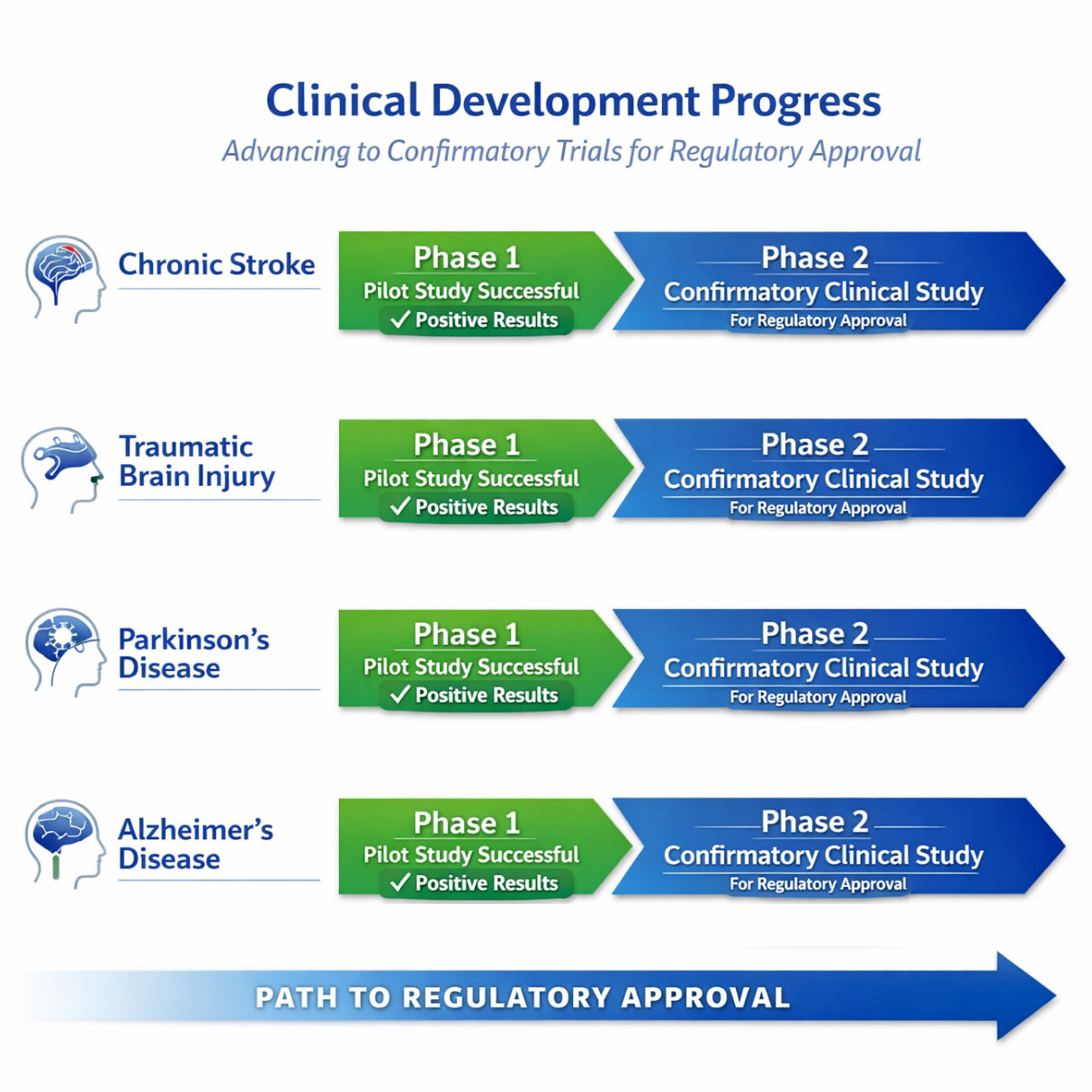
Figure 1. Clinical Development Progress of Biophoton Quantum Medicine Programs for Neurological Disorders. Schematic overview of the clinical development pathway for four BrainHealing therapeutic programs: chronic stroke, traumatic brain injury (TBI), Parkinson’s disease, and Alzheimer’s disease. Each indication has successfully completed Phase 1 pilot clinical studies, demonstrating positive preliminary clinical outcomes. These early-stage investigations provide foundational evidence supporting safety and potential therapeutic benefit. Based on these results, all four programs are advancing toward Phase 2 confirmatory clinical trials, which are designed to further evaluate efficacy and generate the clinical data required for regulatory review and potential approval. The bottom arrow illustrates the overall path toward regulatory approval, highlighting the progression from pilot studies to larger confirmatory trials in the development of biophoton-based therapeutic interventions for major neurological conditions. Development of the four (4) therapies is in communication with the governing regulatory agencies.
HUMANITARIAN PRODUCTS
BrainHealing Clinical Pipeline Number 2
Based on scientific evidence and clinical observations of using biophoton generating products, two rare diseases have been submitted to the regulatory agency for approval.
Mitochondrial Encephalomyopathy, Lactic Acidosis, and Stroke-like Episodes (MELAS). The U.S. Food and Drug Administration (FDA) has granted Humanitarian Use Device (HUD) designation for our investigational device intended for patients with MELAS.
Neonatal Hypoxic-Ischemic Brain Injury (HIBI). The U.S. Food and Drug Administration (FDA) is reviewing our application for being granted Humanitarian Use Device (HUD) designation for our investigational device intended for patients with HIBI.
Mitochondrial Encephalomyopathy, Lactic Acidosis, and Stroke-like Episodes (MELAS) is a rare but severe mitochondrial disorder caused by mutations in mitochondrial DNA (mtDNA), most commonly the A3243G mutation in the MT-TL1 gene. This condition disrupts oxidative phosphorylation, leading to impaired ATP generation and multisystem dysfunction. Clinical manifestations include recurrent stroke-like episodes, myopathy, seizures, lactic acidosis, progressive neurodegeneration, and sensory impairments. Scientific evidence supports using biophotons to treat MELAS.
Neonatal hypoxic-ischemic brain injury (HIBI) is a devastating condition resulting from impaired oxygen delivery (hypoxia) and/or restricted cerebral blood flow (ischemia) during the perinatal period. HIBI is a leading cause of long-term neurological disabilities, including cerebral palsy, epilepsy, cognitive dysfunction, and developmental delays. Current standard therapy—therapeutic hypothermia—provides partial neuroprotection but does not fully prevent neurological sequelae. Thus, novel complementary strategies such as biophoton therapy, which targets mitochondrial function, oxidative stress, and neural repair, are of growing interest. Scientific evidence supports using biophotons to treat HIBI.
IN PILOT PHASE
BrainHealing Clinical Pipeline Number 3
Discovery
Pilot Clinical Development
Confirmatory Trials
Regulatory
Diabetic Neuropathy
Chronic Pain
Stem Cell Activation
Rare Diseases
Figure 2. BrainHealing Therapeutic Development Pipeline. Multiple therapeutic programs based on Biophoton Quantum Medicine are currently in pilot clinical development, including diabetic neuropathy, chronic pain, stem cell activation, and rare disease applications. These early-stage studies are designed to evaluate safety, biological activity, and clinical feasibility prior to advancing into larger confirmatory clinical trials and regulatory pathways.
PRE-PILOT
BrainHealing Pipeline Number 4
Based on the feedback from the real-world users of biophoton generating devices, the users with a variety of health problems (below) improved their quality of life after using the wellness products for a few days to a few months.
• Anemia
• Anxiety Disorders
• Arthritis
• Asthma
• Autism Spectrum Disorder
(ASD)
• Autoimmune and Inflammatory Disorders
• Cancer – Side Effects of Cancer Therapy
• Caregiver Fatigue
• Chronic Obstructive
Pulmonary Disease (COPD)
• Depression
• Erectile Dysfunction
• Glaucoma
• Hypertension
• Hypothyroidism
• Infertility
• Influenza
• Lyme
• MELAS Syndrome
• Mitochondrial Malfunction
• Multiple Sclerosis
• Neonatal Hypoxic-Ischemic Brain Injury
• Obesity
• Osteoporosis
• Poor Blood Circulation
• Post-COVID Syndrome
• Sleep Problems
• Aged Pets
Brain Healing Inc. welcome collaborators to co-develop these future therapies.
Chronic Stroke
Development program exploring supportive treatment strategies for neurological function and recovery in patients with chronic stroke.
Observed clinical successes from the pilot clinical development.
Traumatic Brain Injury
Development program exploring supportive treatment strategies for neurological function and recovery in patients with chronic TBI.
Observed clinical successes from the pilot clinical development.
Parkinson's Disease
Investigational program evaluating potential supportive approaches in a progressive neurodegenerative condition affecting millions worldwide.
Observed clinical successes from the pilot clinical development.
Alzheimer's Disease
Research initiative exploring new translational approaches for one of the most urgent and costly neurological diseases of aging.
Observed clinical successes from the pilot clinical development.
Why These Conditions Matter
Neurological disorders represent one of the largest and fastest growing healthcare burdens globally.
• Stroke remains a leading cause of long term disability.
• Traumatic brain injury affects millions of individuals each year.
• Parkinson's disease continues to rise as populations age.
• Alzheimer's disease represents one of the most complex challenges in modern medicine.
These conditions share a common challenge: once chronic neurological damage occurs, treatment options are limited and recovery is often incomplete.
BrainHealing™ focuses on exploring investigational pathways that may contribute to improved neurological function and long term patient outcomes.
Why These Conditions Can Be Treated
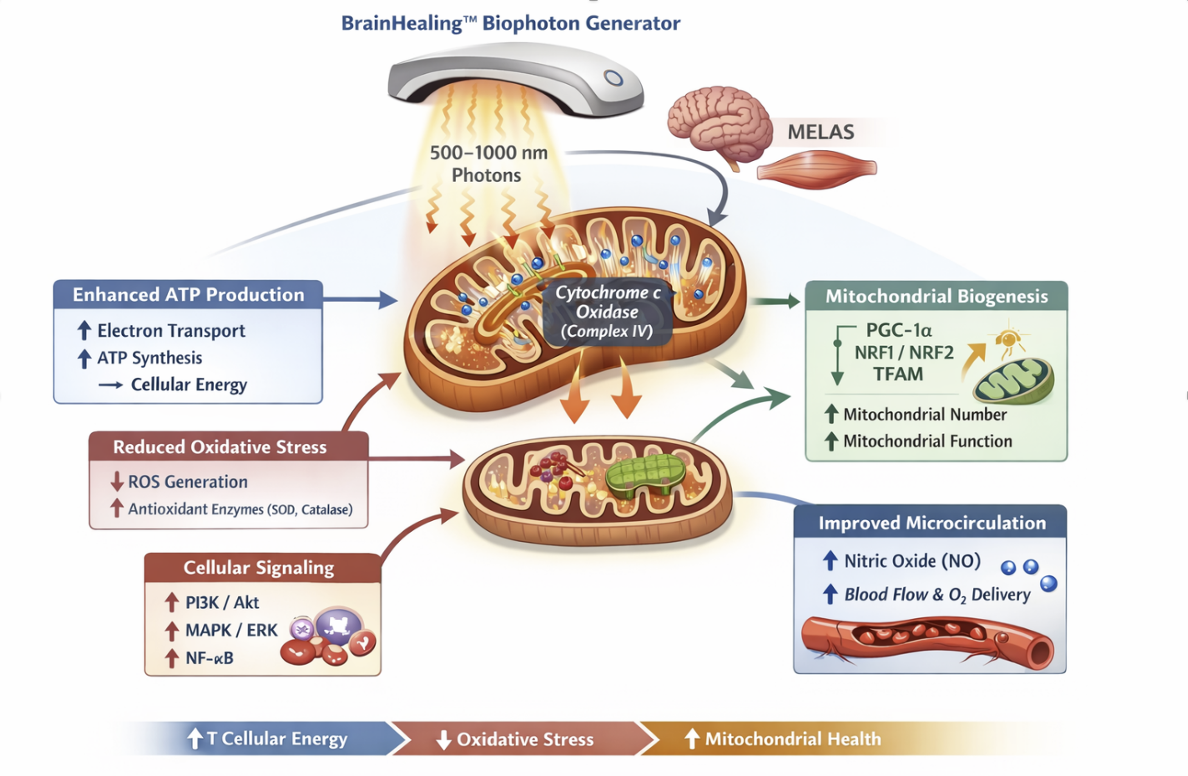
Mechanisms of action of using biophoton quantum technology to treat these unmet medical conditions are briefly presented here, details are presented in “Scientific Section.”
Restoration of Mitochondrial Function
Mitochondria are the primary energy producers of the cell, generating ATP through oxidative phosphorylation. In many chronic diseases—including Alzheimer’s disease, Parkinson’s disease, diabetes, cardiovascular disease, and chronic fatigue—mitochondrial dysfunction plays a central role.
Regulation of Oxidative Stress
Excessive production of reactive oxygen species (ROS) is a common driver of cellular damage in aging and disease. Oxidative stress damages DNA, proteins, and lipid membranes, accelerating degeneration.
Modulation of Neuroinflammation and Immune Response
Chronic inflammation is a central contributor to many diseases, including neurodegeneration, autoimmune disorders, metabolic disease, and chronic pain conditions.
Enhancement of Cerebral and Systemic Circulation
Adequate blood flow is essential for delivering oxygen and nutrients to tissues while removing metabolic waste products.
Promotion of Neuroplasticity and Tissue Regeneration
One of the most promising aspects of Biophoton Quantum Medicine is its potential to support neuroplasticity and cellular regeneration.
Regulation of Protein Misfolding and Cellular Cleanup
Protein aggregation is a hallmark of many neurodegenerative diseases, including Alzheimer’s disease and Parkinson’s disease.
Chronic Pain and Musculoskeletal Disorders
Biophoton therapy may help reduce inflammation, improve circulation, and support tissue repair
Metabolic and Age-Related Conditions
Mitochondrial decline and oxidative stress are central features of aging and metabolic disorders. Biophoton therapy may help support metabolic regulation and cellular resilience.
Cardiovascular and Circulatory Conditions
Improved microvascular circulation and blood rheology may benefit conditions involving vascular dysfunction.
System-Level Effects Across Multiple Diseases
Because these biological pathways are shared across many disorders, Biophoton Quantum Medicine has potential applications in a wide range of unmet medical conditions.
Clinical Development Approach
The BrainHealing platform follows a structured translational research framework:
1. Scientific rationale and hypothesis development
2. Early pilot clinical evaluation
3. Data analysis and refinement
4. Expanded controlled clinical studies
5. Regulatory engagement and development strategy
Pilot clinical studies have been conducted across all four neurological conditions to evaluate safety observations, feasibility, and early functional signals.
These studies represent early steps in a broader clinical development pathway.
For Strategic Stakeholders
BrainHealing Inc. was created to support evaluation by:
• Healthcare investors
• Pharmaceutical and biotechnology partners
• Academic researchers
• Clinical investigators
• Neurology advisors
The platform provides a transparent overview of investigational programs, scientific rationale, and potential future development opportunities.
Contact BrainHealing
For inquiries regarding investor inquiries, strategic partnerships, clinical collaboration, scientific advisory opportunities, media inquiries, scientific collaboration, partnership opportunities, or investment discussions, please contact the BrainHealing team.
Disclaimer: BrainHealing.com provides informational content regarding investigational neurological treatment programs and related scientific development activities. The information presented on this website is intended for investors, researchers, healthcare professionals, and potential strategic partners.
The investigational programs described on this website are under evaluation and are not offered for commercial sale. Statements on this website should not be interpreted as claims of regulatory approval, medical efficacy, or therapeutic effectiveness unless explicitly stated.
Nothing on this website constitutes medical advice. Individuals should consult qualified healthcare professionals regarding medical conditions or treatment decisions.

Copyright © 2026 BrainHealing Inc.